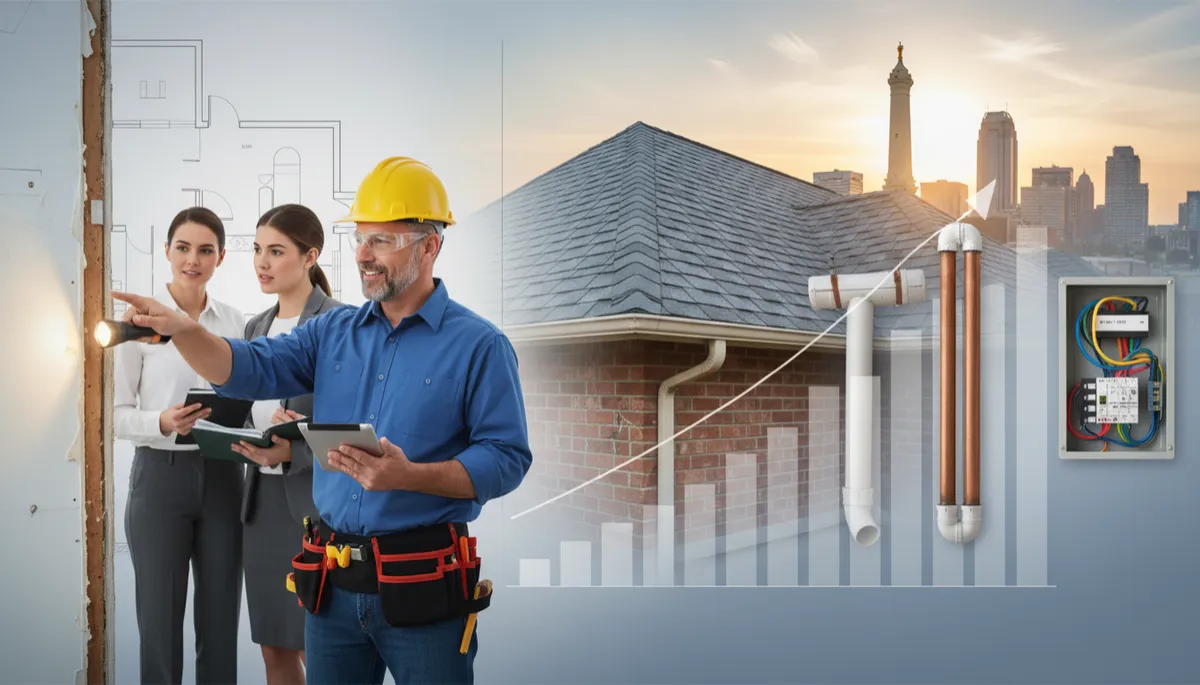
Evaluate Indianapolis Investment Properties Effectively
Real Estate Investing, Indianapolis Contractor Insights
How to Evaluate an Indianapolis Investment Property Before You Buy
Looking at an Indianapolis investment property from your laptop is one thing; walking it with a contractor’s eye is another. Whether you live across town or across the country, understanding what to look for during a rental property inspection can save you from surprise repairs and blown budgets.
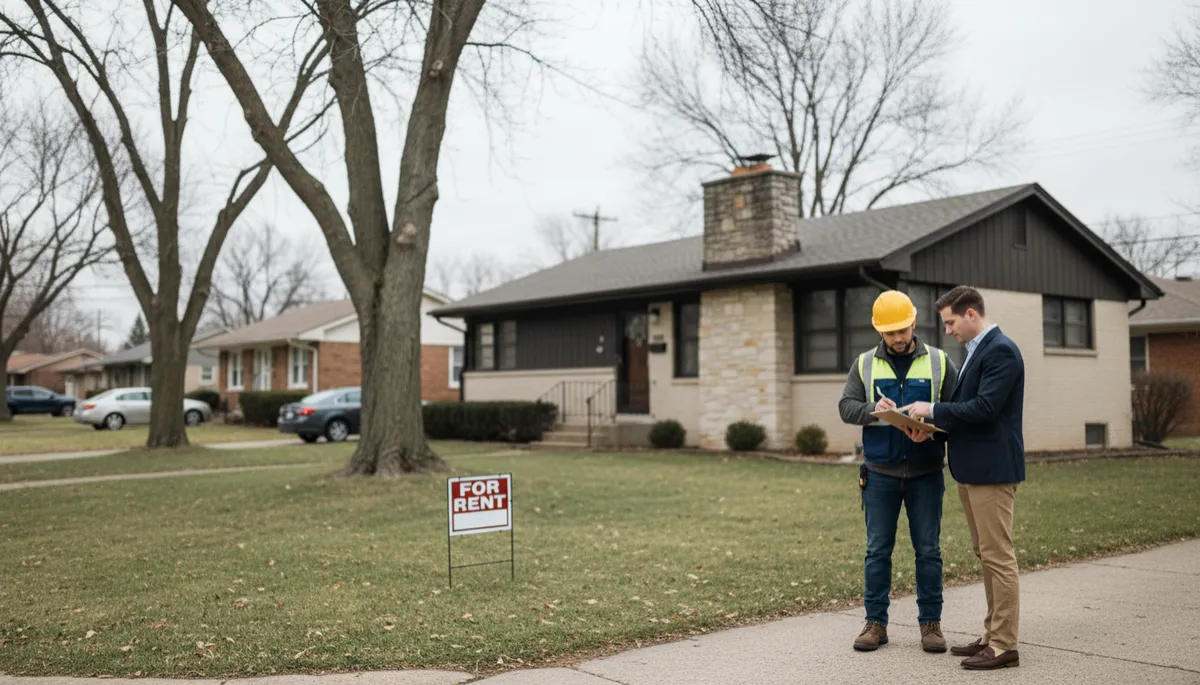
Start Your Walkthrough with the Big Picture
When I walk into a potential Indianapolis investment property with a real estate investor, I’m not looking at the paint color first. I’m asking, “Is this house fundamentally solid?” Cosmetics are easy; structure and systems are where the real money hides. As you tour, think in layers: structure, roof, foundation, plumbing, electrical, then finishes and layout. That mindset keeps your property evaluation focused on what truly affects safety, rentability, and long-term costs.
Structural Elements: Is the House Actually Straight?
Indianapolis has a lot of older housing stock, especially in neighborhoods popular with real estate investors. Age alone isn’t a problem, but neglected structural issues are. During your rental property inspection, pay attention to:
- Sloping floors: A small slope in an older home can be normal, but dramatic dips may signal joist or sill plate problems.
- Cracks over doors and windows: Hairline cracks in plaster or drywall are common; wide, stair-step cracks can point to movement that needs a closer look.
- Doors that won’t latch: One sticky door is minor; a whole level of doors out of square may indicate shifting framing.
Structural repairs aren’t always a deal-breaker, but they are budget changers. As an Indianapolis contractor, I often tell out-of-state clients: if the structure is questionable, get a specialist’s opinion before you finalize numbers on that Indianapolis investment property.
Roofing: Protecting Your Cash Flow from Above
A tired roof will eat into your returns faster than almost any other component. During your property evaluation, step back from the house and look at the roofline. You want to see straight lines, no sagging ridges, and shingles that lie flat. Curled, cracked, or missing shingles, rusted flashing, or soft spots near chimneys and vents are signs that a replacement may be coming soon.
In Indianapolis, a full roof replacement on a typical single-family rental is a five-figure expense. If the roof is near the end of its life, factor that into your offer. A roof that has “a couple of years left” may sound fine, but if those years line up with your first lease term, you’ll be eating that cost earlier than you’d like.
Foundation: What’s Happening Below the Surface
Foundation issues can scare investors, but not every crack is a crisis. During your rental property inspection, walk the perimeter and, if accessible, the basement or crawlspace. Look for:
- Horizontal cracks in block walls, which can be more serious than small vertical ones.
- Water intrusion: staining, efflorescence (white powdery residue), or active leaks after rain.
- Temporary jacks or DIY supports holding up beams or joists, which can indicate past movement.
Foundation repair costs in Indianapolis vary widely. Some issues can be handled with drainage improvements and minor patching; others require piers or wall bracing. A good Indianapolis contractor or structural engineer can help you separate cosmetic from critical so your numbers stay realistic.
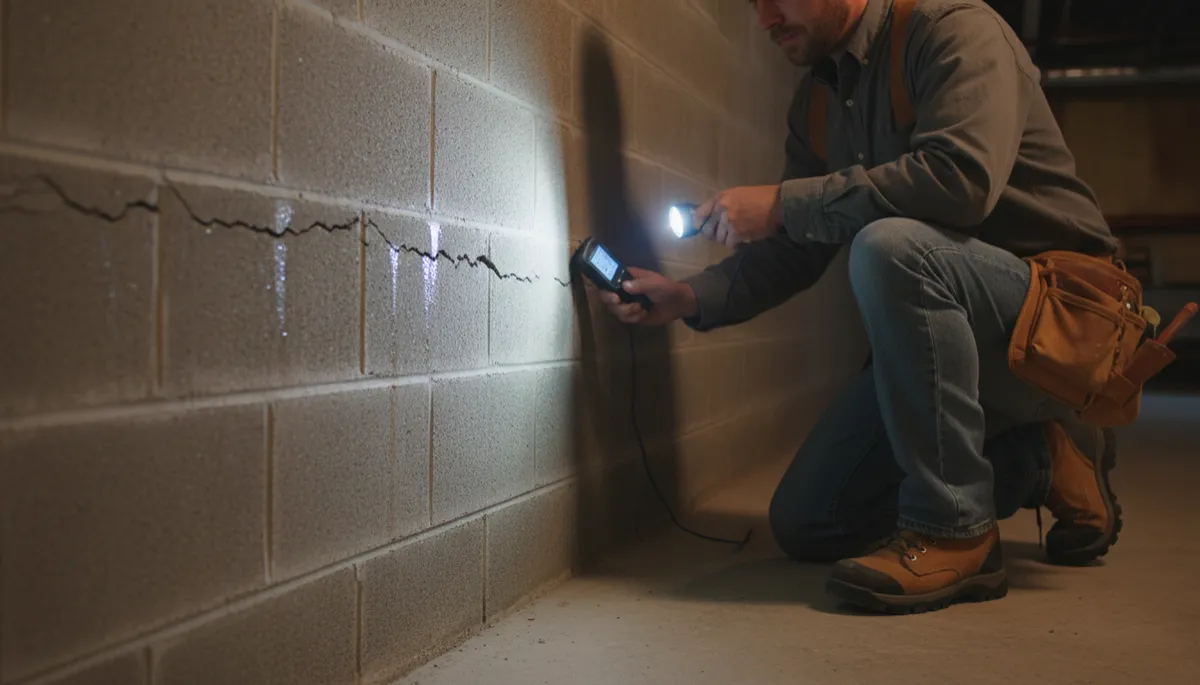
Careful foundation checks early can prevent five-figure surprises later.
Plumbing: Follow the Water (and the Age)
Water damage is one of the fastest ways to turn a solid rental into a headache. During your walkthrough, turn on multiple fixtures at once and see how the water pressure responds. Look under every sink for active leaks, staining, or mold. In basements, note the material of the main supply and drain lines. Galvanized steel and old cast iron can be red flags for future replacement costs.
Also, check the age and condition of the water heater. A unit near the end of its life adds a few hundred to a couple thousand dollars to your renovation budget. For an out-of-state real estate investor, having your Indianapolis contractor document plumbing conditions with photos and videos is invaluable for accurate property evaluation.
Electrical: Safety First, Then Capacity
An outdated electrical system doesn’t just risk tenant safety; it can also limit what you can reasonably offer in the unit (think window ACs, extra appliances, or finished basements). During your rental property inspection, take a look at:
- Service panel size: Many older homes have 60- or 100-amp panels; 150–200 amps is more comfortable for modern usage.
- Type of wiring: Knob-and-tube or cloth wiring often needs upgrading, especially for insurance and safety reasons.
- Number of outlets: Bedrooms should have multiple grounded outlets; extension cords everywhere are a red flag.
Upgrading panels, adding circuits, or rewiring sections of a house is not cheap, but it is predictable when you catch it early. That’s exactly what you want in an Indianapolis investment property: fewer surprises, more planned improvements.
Renovation Cost Considerations: Turning Notes into Numbers
Walking a property like a contractor is only half the job; the other half is turning observations into a realistic budget. Group your notes into three buckets:
- Must-do safety and code items (electrical hazards, active leaks, structural concerns).
- Rent-ready items (flooring, paint, fixtures, basic curb appeal).
- Value-add upgrades (finishing a basement, adding a bedroom, modernizing kitchens and baths).
A local Indianapolis contractor who understands rental standards can give you ballpark ranges for each line item. For out-of-state investors, this is crucial. It bridges the gap between a quick video tour and a true property evaluation that reflects local labor and material costs. Always add a contingency—10–20% is common—especially if the home is older or hasn’t been updated in decades.
Final Thoughts: Build Your Local Team, Not Just Your Portfolio
Evaluating an Indianapolis investment property before you buy isn’t about becoming a contractor overnight. It’s about knowing what to look for during your walkthrough and having the right people to fill in the gaps. Focus on structural elements, roofing, foundation, plumbing, and electrical first, then layer in renovation cost considerations that align with your rental strategy.
If you’re an out-of-state real estate investor, partner with an experienced Indianapolis contractor who can be your eyes on the ground. With a solid inspection process and realistic budgeting, you’ll be able to move confidently on the right deals—and pass on the ones that look good online but fall apart in person.

